Home Fire Safety Checklist for Delran Families
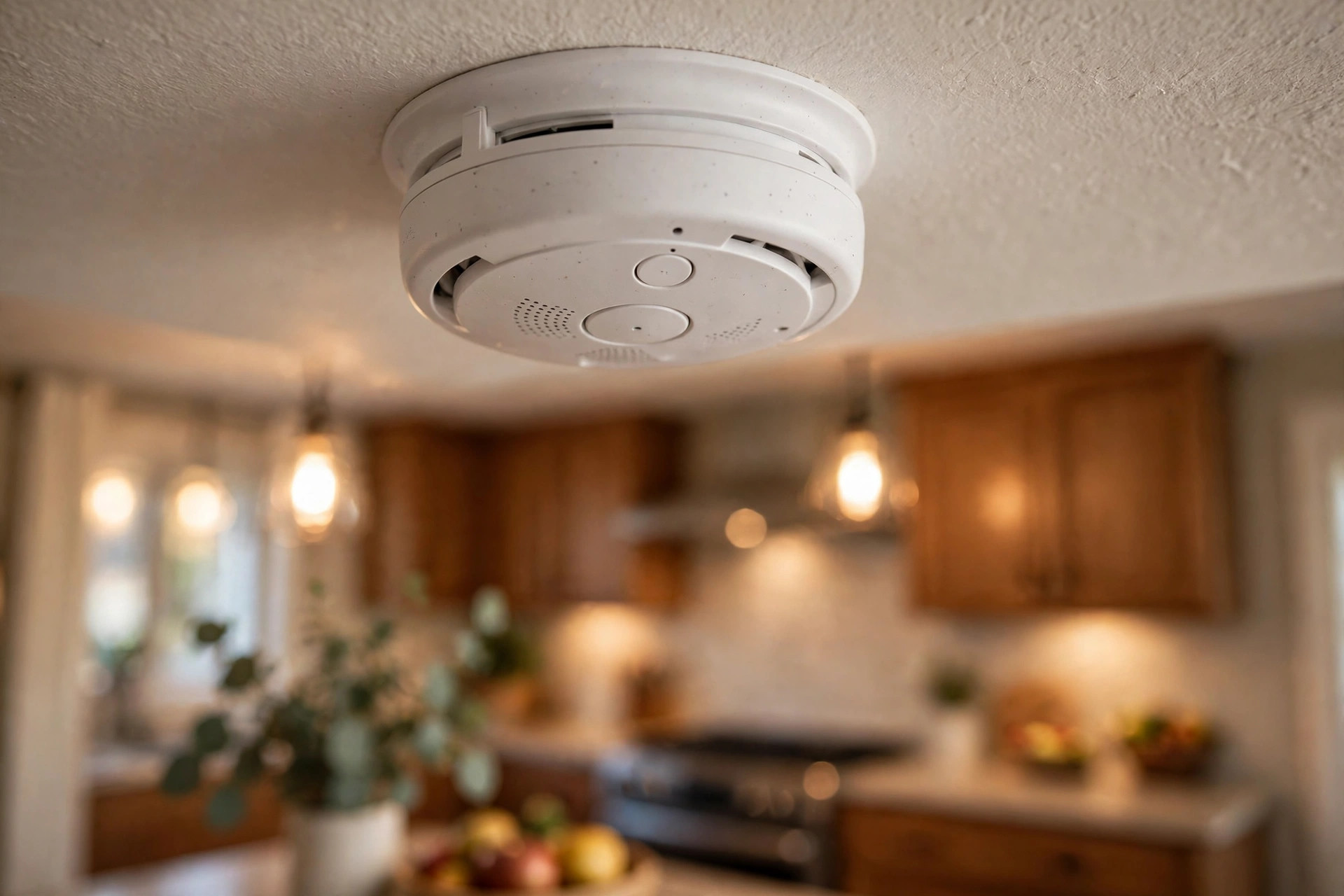
Most house fires start small — and most are preventable. This home fire safety checklist is written for Delran families in every kind of home this township has, from older houses near the river to newer developments off Route 130. Work through it twice a year, and treat it as seriously as any other maintenance your home needs.
Alarms: your first and best defense
- Install smoke alarms inside every bedroom, outside each sleeping area, and on every level of the home, including the basement.
- Add carbon monoxide alarms near sleeping areas — CO is odorless, colorless and produced by furnaces, water heaters, generators and vehicles.
- Test alarms monthly, replace batteries on a set schedule, and replace alarm units themselves according to the manufacturer’s lifespan printed on the device.
- If anyone in the home is deaf or hard of hearing, use alarms with strobe lights or bed-shaker features.
Plan your escape — then practice it
Every Delran household should have a written escape plan: two ways out of every room where possible, a clear path to them, and one outdoor meeting place a safe distance from the house — a specific tree, mailbox or neighbor’s driveway. Practice the plan at least twice a year, including at night, and teach children that firefighters in gear are helpers, not something to hide from. Once you are out, stay out, and call 911 from a neighbor’s phone or your mobile once you are safe.
Kitchen: where most fires start
- Stay in the kitchen while frying, grilling or broiling; turn pot handles inward.
- Keep towels, packaging and wooden utensils away from the stovetop.
- Never use water on a grease fire — smother it with a lid and turn off the heat if it is safe to do so.
- Keep a rated fire extinguisher accessible, learn how to use it before you need it, and only fight a fire that is small, contained and with your exit at your back.
Heating, electrical and seasonal risks
Have furnaces, chimneys and wood stoves inspected and cleaned on a professional schedule. Keep space heaters at least three feet from anything that can burn, plug them directly into walls rather than extension cords, and turn them off when you leave the room or sleep. Replace frayed cords, avoid overloading outlets, and never run a portable generator inside a home or garage — generator carbon monoxide kills quickly and silently. In winter, keep hydrants near your home clear of snow where you can; in dry spells, be careful with fire pits and fireworks rules, which the township publishes.
Bedrooms, laundry and the garage
Close bedroom doors at night — a closed door dramatically slows fire and smoke. Keep matches and lighters locked away from children. Clean the lint filter in your dryer every load and the vent line periodically; lint fires are a quiet, common risk. In the garage, store gasoline and solvents in approved containers away from ignition sources, and charge large lithium-ion batteries and e-bikes thoughtfully, never blocking an exit.
Help responders help you
Make sure your house number is large, contrasting and visible from the street — in an emergency, minutes spent hunting for an address are minutes lost. Keep hallways and stairs clear, and tell your alarm company and family members exactly how responders should enter if someone inside cannot reach the door.
For fire-prevention programs, station visits and current non-emergency fire contacts, check the township’s official pages at delrantownship.org. More safety coverage lives in our police & fire section, and household guides continue in House & Home. An hour with this checklist is one of the best investments a Delran family can make.
Comments are closed.